

An increasing number of electric vehicles and portable electronic devices are driving up the demand for high-quality batteries, particularly lithium-ion pouch cells. Lightweight, flexible, and packed with energy, pouch cells are a favorite among battery types. As a frontrunner in the battery equipment manufacturing sector, LEAD provides cutting-edge solutions for battery firms all over the globe with its innovative pouch cell formation technology.
What is Pouch Cell Formation?
Pouch cell formation is a critical stage in the battery production process. It refers to the initial charging and conditioning of lithium-ion cells after they are assembled. This process ensures that each cell performs optimally by optimizing its electrochemical properties. Pouch cell formation helps maximize energy output and longevity, making it crucial for manufacturers to invest in high-quality equipment and precise processes. LEAD offers a comprehensive pouch cell formation production line that utilizes industry-leading fixture technology, ensuring that battery manufacturers can rely on consistent performance and efficiency throughout the entire production cycle.
LEAD‘s Complete Pouch Cell Formation Production Line
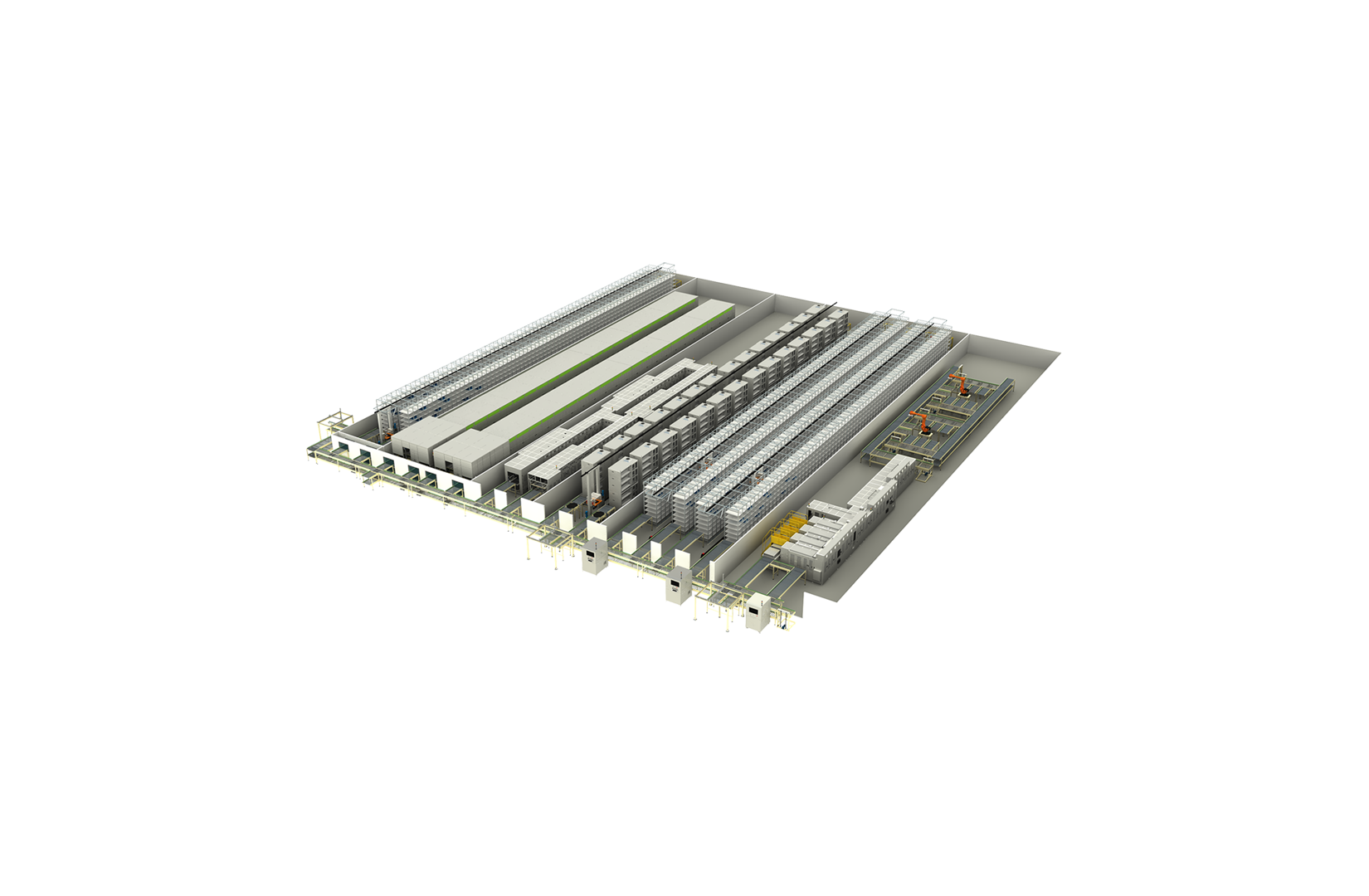
LEAD’s pouch cell formation production line is designed to provide battery companies with a complete and efficient solution for all stages of the pouch cell manufacturing process. From high-temperature aging to final sorting, LEAD’s equipment ensures that every step in the process is optimized for superior cell performance. With advanced technologies such as hot-pressing formation, high-temperature aging, and DEGAS, LEAD ensures that each pouch cell undergoes rigorous quality control to achieve peak performance. The formation process allows for precise capacity grading, where cells are classified according to their ability to perform and meet specific standards. LEAD’s production line ensures only the best cells continue through to the next stages of the manufacturing process, significantly reducing the likelihood of defective products.
Intelligent Automation with FGS and BIMP Technologies
A key advantage of LEAD’s pouch cell formation production line is its incorporation of intelligent automation and real-time monitoring technologies. LEAD integrates proprietary technologies like FGS (Factory Guidance System) and BIMP (Battery Intelligence Management Platform), which contribute to an intelligent, data-driven manufacturing process. These smart solutions enhance real-time decision-making, ensuring that battery production is as efficient and error-free as possible. By monitoring every aspect of the production line, from cell formation to sorting, manufacturers can identify inefficiencies and make improvements on the fly. The inclusion of these technologies not only reduces downtime and operational costs but also improves the overall quality and consistency of pouch cells produced.
Strategic Partnerships with Global Battery Manufacturers
LEAD’s commitment to advancing pouch cell formation technology has earned the company trust from some of the most renowned battery manufacturers globally. By establishing strategic partnerships with industry leaders, LEAD is able to continually innovate its solutions and provide cutting-edge equipment for modern battery production lines. These collaborations ensure that LEAD stays ahead of the curve, offering the latest in battery manufacturing technology to meet the increasing demand for reliable, high-performance cells. This strategic approach helps battery manufacturers remain competitive and scale their operations in a rapidly evolving market.
Conclusion
In the lithium-ion battery production process. LEAD’s advanced production line solutions provide a reliable, efficient, and intelligent approach to this critical stage. By integrating technologies like FGS and BIMP, LEAD is helping battery companies optimize their production lines and stay competitive in the global market. With LEAD’s expertise and cutting-edge technology, manufacturers can ensure high-quality, long-lasting pouch cells that meet the demands of modern applications, driving innovation in the battery industry for years to come.