
As the industry approaches the threshold of solid-state battery mass production, dry electrode technology is widely seen as a decisive factor in determining the pace of industrialization. Yet the transition from laboratory validation to large-scale manufacturing has long faced several major obstacles: difficulty in forming cathode films, challenges in controlling the fibrillation process, and limitations in achieving consistent precision at scale.
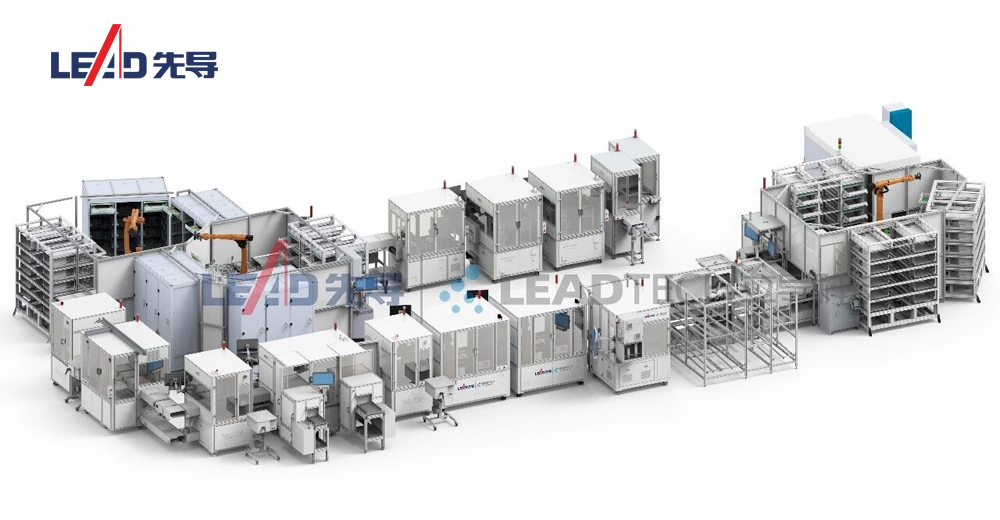
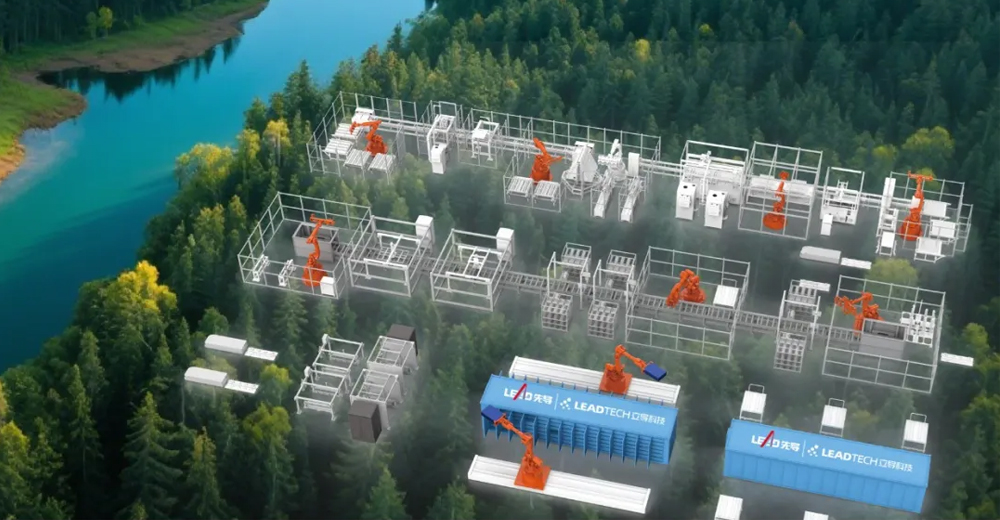
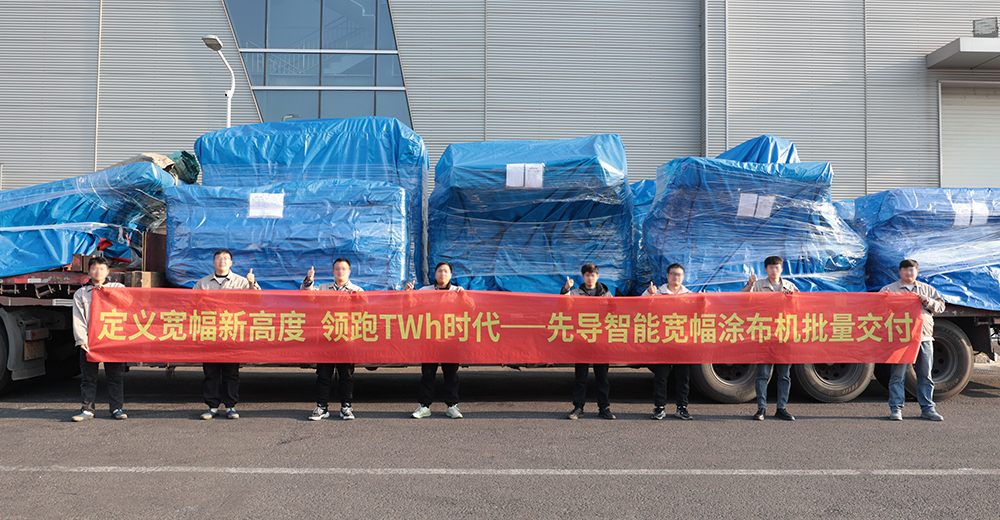
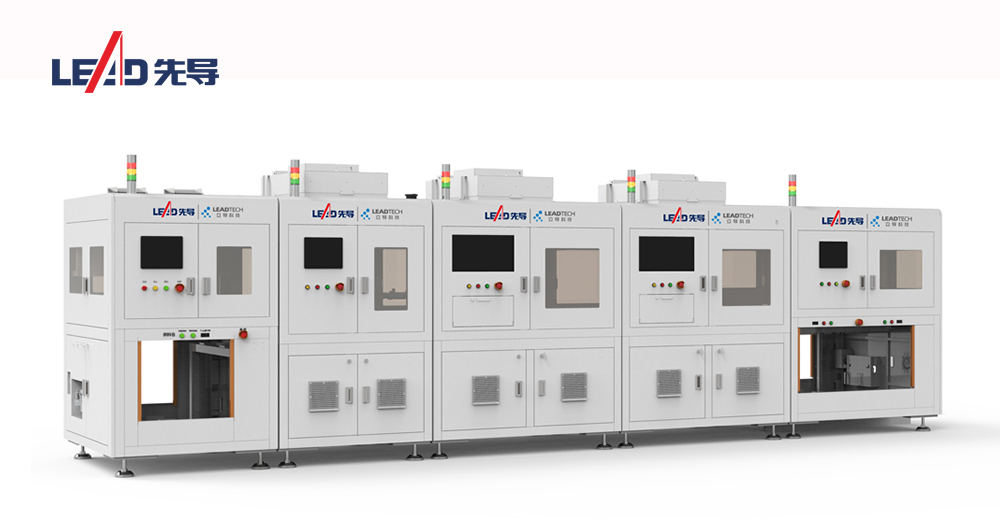
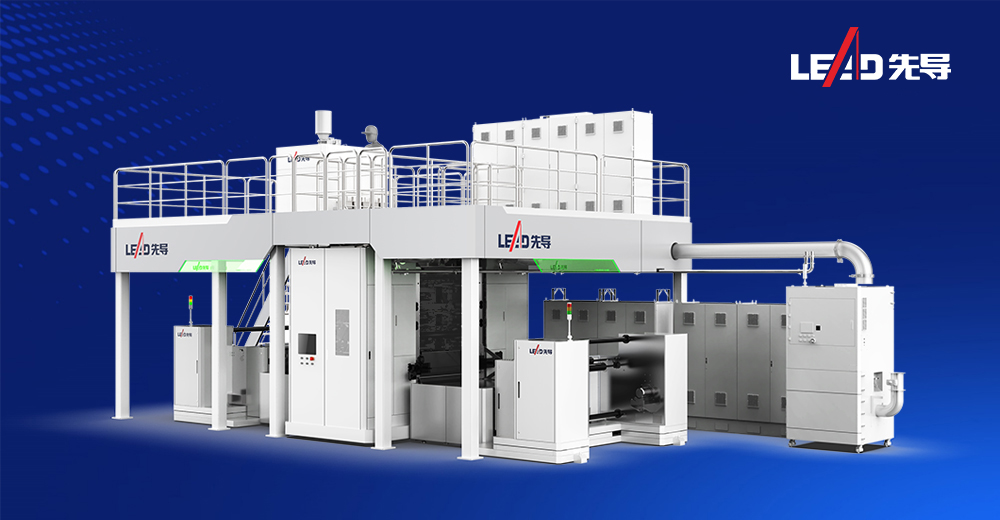
Recently, Lead Intelligent Equipment (hereafter referred to as LEAD) announced the release of a new-generation mass-production solution for integrated cathode and anode dry coating, building on the proven delivery experience of its previous-generation equipment while focusing on breakthroughs in core process technologies.
This is not merely an incremental upgrade. It represents a comprehensive evolution in precision, efficiency, and yield performance.
Core Breakthrough
A Self-Developed “Heart” Unlocks the Process Black Box
At the core of dry electrode manufacturing lies the fibrillation process. While the previous generation of equipment solved the challenge of enabling fibrillation from scratch using high-intensity mixing systems, the new generation focuses on elevating the process from functional to optimized and scalable.
To overcome traditional bottlenecks, LEAD has introduced a proprietary continuous fibrillation system, developed entirely in-house.
Higher Efficiency
Compared with conventional high-intensity mixing equipment, the new system significantly enhances shear strength, increasing fibrillation efficiency by more than 50% and substantially improving overall production efficiency.
Greater Uniformity
The system achieves a continuous, stable, and controllable fibrillation process, fundamentally eliminating coating defects caused by inconsistencies in powder states.
Greater Technological Independence
With fully self-developed core process equipment, LEAD not only reduces dependence on external technologies but also achieves an unprecedented level of integration between equipment design and process optimization.
Proven Mass Production Capability
Conquering the Cathode Challenge
In dry electrode technology, anode production has reached relative maturity, while cathode film formation remains significantly more challenging due to material characteristics.
LEAD’s next-generation solution addresses this gap. In addition to supporting graphite and silicon–carbon anode materials, the system has already achieved mass-production applications for cathode materials such as NCM (nickel–cobalt–manganese) and LFP (lithium iron phosphate).
Full Material Compatibility
Supports a wide range of all-solid-state electrode materials, enabling a fully integrated process flow from anode to cathode.
Wide-Web Capability
Supports product widths of up to 1000 mm, meeting single-line capacity requirements of 5–8 GWh.
Expanded Thickness Range
Capable of producing electrode thicknesses ranging from 40 μm to 400 μm, providing greater design flexibility for high-energy-density battery architectures.
Extreme Precision
Micron-Level Control at High Speed
How can absolute electrode uniformity be maintained at line speeds of 100 m/min?
LEAD’s new-generation system delivers a clear, quantifiable answer.
- Coating thickness control: ±2 μm
- Areal density uniformity: ±1.5%
- Roll gap precision: ±1 μm
Through upgrades in cutting technology and an online adaptive control system, Lead Intelligent Equipment (hereafter referred to as LEAD) ensures high-speed cutting without damaging rollers, while pushing electrode consistency to a new industry benchmark.
Engineering the Details
Dual Safeguards for Safety and Cost Efficiency
To address the extreme sensitivity of solid-state batteries to foreign particles, the new-generation equipment incorporates significant structural innovations.
Non-Magnetic Design
The entire machine architecture has been redesigned to eliminate potential sources of magnetic contaminants at the structural level, strengthening the safety barrier for battery manufacturing.
Green and Energy-Efficient Operation
The system integrates a heat recycling mechanism and variable roll-diameter uniform electric heating, reducing overall production energy consumption by more than 35%.
Dual-Process Compatibility
The equipment is forward-compatible with conventional liquid-electrolyte battery manufacturing processes, giving customers highly flexible production lines capable of adapting to evolving technology pathways without major reinvestment.
From delivering multiple production systems to achieving mass production of dry-process cathodes, and from integrating standard equipment to developing core proprietary process technologies, LEAD’s new-generation dry coating solution marks a significant step forward.
With 100 m/min production speed, ±2 μm coating precision, and over 35% energy reduction, the solution provides global battery manufacturers with a high-efficiency, energy-saving pathway toward scalable solid-state battery production.
By continuously advancing collaborative innovation across materials, processes, and equipment, Lead Intelligent Equipment is accelerating the arrival of the solid-state battery era.